
Mathematical Approaches to Advancing Women’s Health
The study of women’s health and the concept of sex as a biological variable (SABV) offer many novel research opportunities for mathematicians. We will use “women” to refer to biologically female individuals; however, we acknowledge that there is diversity in both biological sex and in gender that is grounded in genetic, social, psychological, cultural, and sociodemographic factors. Although we will not address this diversity here, we note that improved understanding of all of these factors is integral to health, and we encourage interested colleagues to contribute much-needed research in these areas.
Some diseases and conditions affect only women, while others affect both men and women but differ in prevalence, incidence, and severity. Historically, these aspects of women’s health went understudied, partly because, prior to the National Institutes of Health Revitalization Act of 1993, women were excluded from most biomedical clinical trials in the U.S. The biomedical data collected from women since then has provided a glimpse into women’s health and SABV, but there are still many open questions with vital relevance to the health of women with clear implications for personalized medicine.
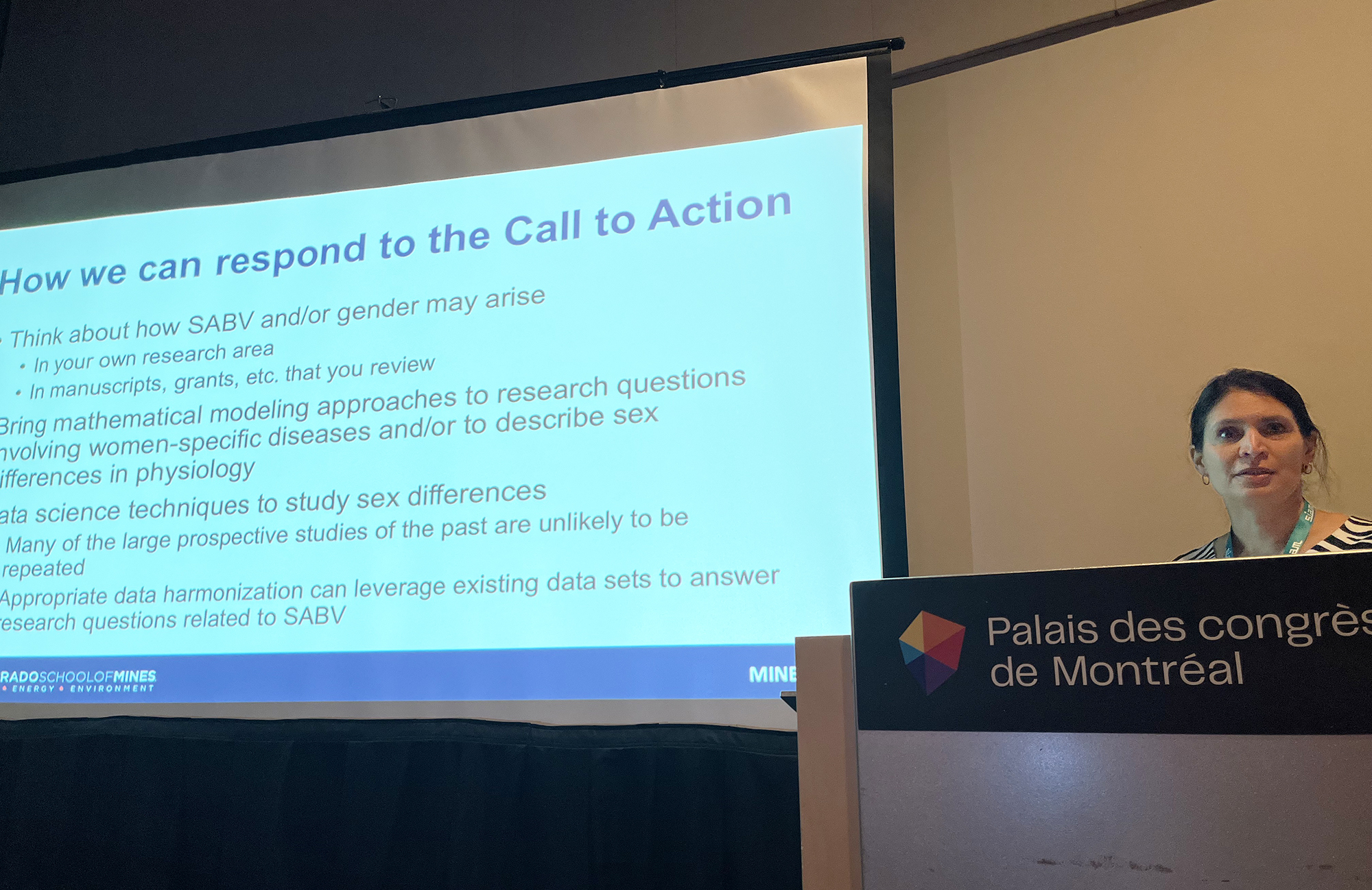
In a recent article published in The Lancet [1], Judith Regensteiner and her colleagues spoke on behalf of the Leaders Empowering the Advancement of Diversity in Education, Research and Science (LEADERS) in the Health of Women — a national consortium focused on increasing the focus on women’s health in clinical, educational, and research settings. In their article, Regensteiner and her collaborators discussed barriers and solutions in women’s health research and issued a call to action, urging greater attention to SABV in biomedical research.
There are many ways that SIAM News readers and the greater mathematics community could respond to this call for action. Perhaps your work in stochastic oscillators could be applied in the context of the menstrual cycle or your imaging method could identify placental abnormalities that are difficult to detect with current modalities. Perhaps your new data harmonization technique could enable the combination of data sets that are not powered to address SABV individually but may collectively enable identification of an important sex difference. Although some members of the SIAM community have already built research programs focused on mathematical approaches to issues in women’s health or SABV, there are many opportunities to include research questions in these areas as part of a larger research program.
My (Diniz Behn) research utilizes mathematical modeling of metabolite interactions, such as glucose-insulin dynamics, to provide insights into metabolic function. Although this work is relevant in the context of many diseases that impact both sexes—including Type 1 and Type 2 diabetes, cystic fibrosis, and fatty liver disease—it can also be used to model metabolite dynamics in women with polyendocrine metabolic ovarian syndrome (PMOS, formerly named polycystic ovary syndrome). PMOS affects up to 10 percent of women worldwide and is a leading cause of infertility. It also has a metabolic component that often leads to higher incidence of Type 2 diabetes and fatty liver disease in women with PMOS. We hope that detailed mathematical modeling will provide novel insights into the metabolic dysregulation of PMOS and the success of different interventions.
Similarly, my (Leiderman) research program includes mathematical modeling of blood clotting in a variety of contexts, including hemophilia and wounds. Under the auspices of the 2022 Collaborative Workshop for Women in Mathematical Biology: Mathematical Approaches to Support Women’s Health—hosted and partially funded by UnitedHealth Group Optum of Minnetonka, MN and the University of Minnesota’s Institute for Mathematics and its Applications—my collaborators and I launched an investigation into the link between oral contraceptives and blood clotting, a rare but dangerous side effect of the birth control pill for some women. Through this modeling approach, we aim to identify biomarkers that identify women for whom oral contraception has elevated risks.
In addition to our research pursuits, we are committed to raising awareness of the value that mathematical modeling has for improving women’s health and exploring SABV. Some highlights of advocacy work led by us and others include the aforementioned workshop at the University of Minnesota, a book describing the workshop proceedings [2], a series of minisymposia, and national and international meetings. We organized a minisymposium on this topic at the Third Joint SIAM/CAIMS Annual Meetings (AN25) held last summer in Montréal, Québec, Canada, and we have another minisymposium coming up at the 2026 SIAM Annual Meeting held jointly with the SIAM Conference on the Life Sciences in Cleveland, Ohio in July 2026.
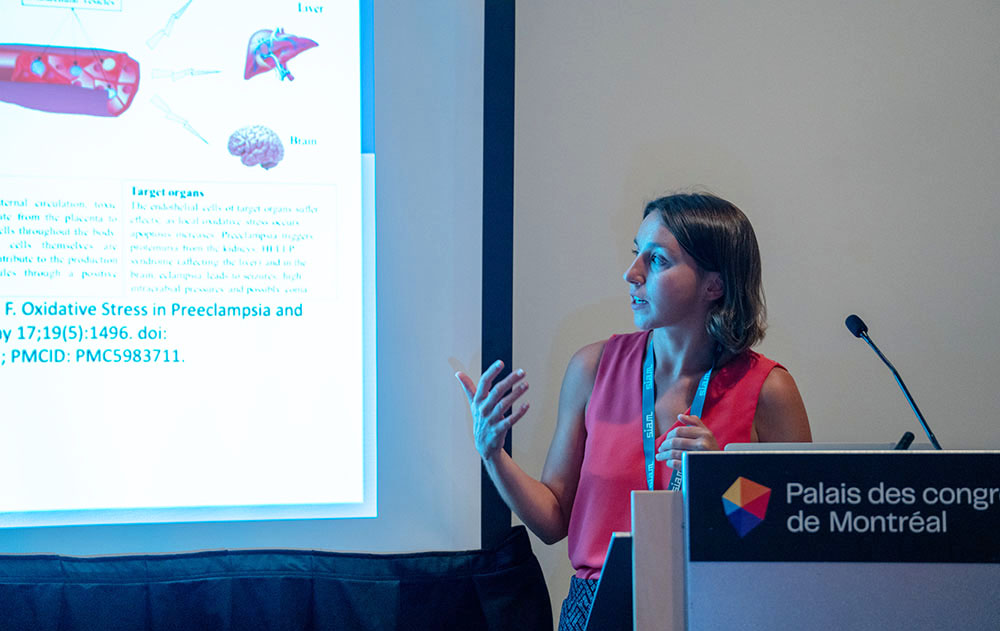
The AN25 minisymposium session built on the broader context for mathematical approaches to women’s health, highlighting the diversity of application areas and the modeling techniques currently used in women’s health research. Across two sessions, speakers addressed questions spanning reproductive physiology, neurological disease, systemic sex differences, and data-driven disease classification, illustrating how mathematical tools can connect mechanisms, data, and clinically relevant outcomes.
Several talks focused on reproductive health, an area where hormones govern complex feedback systems that are not yet understood. Ruby Kim of the University of Michigan presented her research that uses mathematical models to analyze menstrual cycle dynamics regulated by the hypothalamic-pituitary-ovarian axis. Her work emphasized how modeling can help explain both inter-individual variability and the effects of oral contraceptives, including how missed doses alter hormonal trajectories. These results demonstrated how quantitative frameworks can address questions that arise directly in everyday clinical and personal decision-making.
Continuing in this theme, Savannah Williams of Bryn Mawr College described her ongoing work that expands ovulation models to include the dynamics of kisspeptin as well as gonadotropin-releasing hormone — two hormones integral for regulating puberty, the menstrual cycle, and fertility. By incorporating these pathways, her model provides a starting point for investigating how stress hormones may interact with reproductive physiology, an issue that is difficult to probe experimentally, but critically important for understanding fertility and cycle irregularities.
Hormonal influences were also prominently featured in discussions of neurological health. Maliha Ahmed of the University of Waterloo presented computational modeling work on childhood absence epilepsy, a condition that often, but not always, remits during adolescence. Her focus on progesterone and the neurosteroid allopregnanolone directly connects this research to women’s health, since hormone-mediated modulation of brain networks is central to many conditions that affect women differently across the lifespan. Using thalamocortical network models, she explored why some patients do not experience remission despite similar hormonal changes, highlighting how cortical heterogeneity and network connectivity can block neurosteroid-mediated seizure suppression. This talk underscored the importance of network-level mechanisms in shaping disease trajectories.
Beyond reproduction and neurology, the session explored systemic physiological differences that influence health outcomes across the lifespan. Allison Cruikshank of Duke University presented mathematical models of oxidative stress that help explain why women, on average, exhibit lower oxidative stress and higher concentrations of antioxidants such as glutathione. By integrating clinical observations with mechanistic modeling, her work clarified how estrogen’s effects on cardiovascular biomarkers depend on menopausal status and helped reconcile seemingly contradictory measurements of oxidative stress across the menstrual cycle.
The minisymposium also included a data-driven perspective on diseases that are difficult to characterize mechanistically. Alexandria Tan of the University of Washington used nonnegative matrix factorization to identify symptom clusters and patient subgroups from self-reported data, motivating phenotypic definitions that could improve classification in complex, nonspecific conditions including those that disproportionately affect women. Her approach illustrated how machine learning methods can complement mechanistic modeling when disease categories are broad or poorly defined.
These talks highlighted the breadth of mathematical approaches that can be used in women’s health—from detailed mechanistic models to data-driven methods—and the momentum building across career stages and institutions. As organizers, we were particularly encouraged by the breadth of topics and modeling approaches on display, and by how consistently speakers connected modeling choices to clinical relevance. For the 2026 minisymposium, organized jointly with Ashlee Ford Versypt of the University of Buffalo, we are excited to feature a lineup of talks related to osteoporosis, hormonal signaling, and pregnancy-related physiological changes. Women’s health and SABV offer many opportunities for innovative mathematical modeling and collaboration with clear scientific and societal impact. We look forward to sustained and expanded engagement with these topics across future SIAM meetings and publications.
References
[1] Regensteiner, J.G., McNeil, M., Faubion, S.S., Bairey-Merz, C.N., Gulati, M., Joffe, H., … Klein, W. (2025). Barriers and solutions in women's health research and clinical care: A call to action. Lancet Reg. Health Am., 44.
[2] Ford Versypt, A.N., Segal, R.A., & Sindi, S.S. (Eds.). (2024). Mathematical modeling for women’s health: Collaborative workshop for women in mathematical biology (Vol. 166). Cham, Switzerland: Springer Nature.
About the Authors
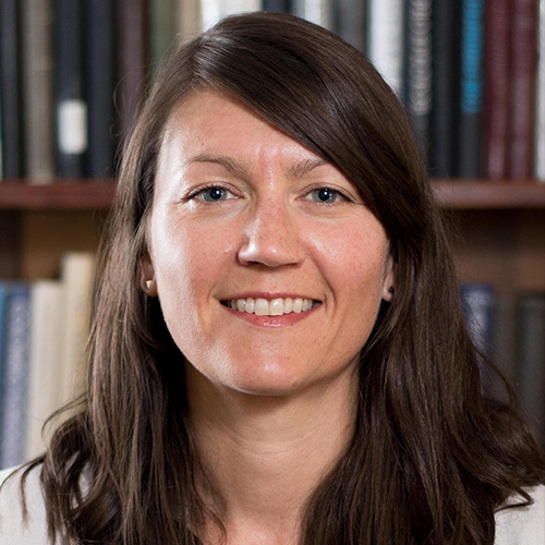
Cecilia Diniz Behn
Professor, Colorado School of Mines
Cecilia Diniz Behn is a professor and Joe and Jane Gray Distinguished University Chair at Colorado School of Mines. She also holds a courtesy appointment at the University of Colorado Medical School. Her research focuses on mathematical modeling of sleep, circadian rhythms, metabolism, and the interactions among these systems. Her areas of expertise include physiologically-based modeling of sleep-regulatory networks, dynamical systems analysis, minimal models of metabolite dynamics, and novel analysis techniques for sleep, circadian, and metabolic data.
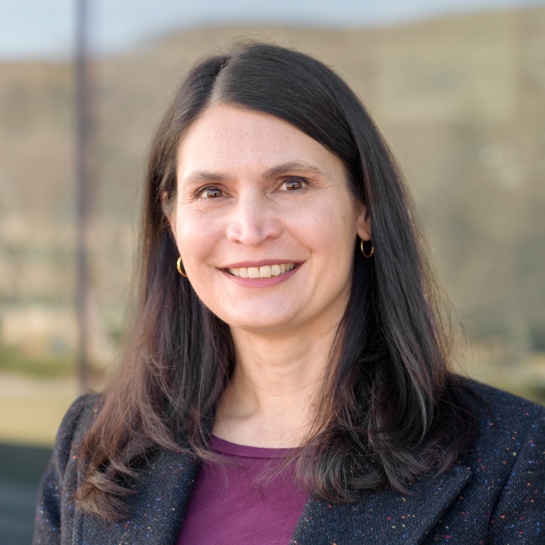
Karin Leiderman
Professor, the University of North Carolina at Chapel Hill
Karin Leiderman is a professor in the Department of Biochemistry and Biophysics at the University of North Carolina at Chapel Hill, with affiliations in mathematics, computational medicine, and the UNC Blood Research Center. She is a mathematical and computational scientist whose work integrates mechanistic modeling, experimental collaboration, and statistical inference to study blood coagulation, bleeding disorders, and thrombotic diseases. Her areas of expertise include mechanistic modeling of biochemical reaction networks, thrombin generation, and platelet-mediated coagulation under flow, as well as virtual patient modeling, systems biology, uncertainty and sensitivity analysis, and translational computational medicine.
Related Reading
Stay Up-to-Date with Email Alerts
Sign up for our monthly newsletter and emails about other topics of your choosing.