
Collaborative Workshop Fosters Community Among Institutions Across China
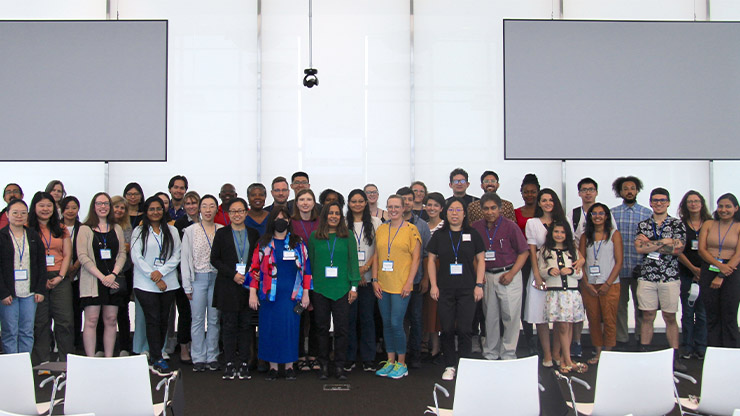
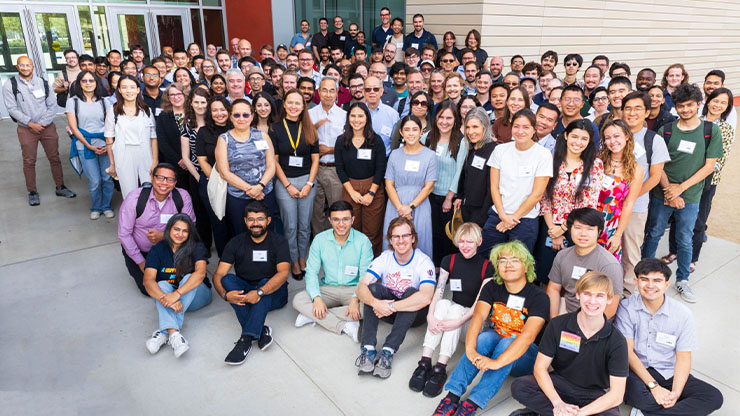
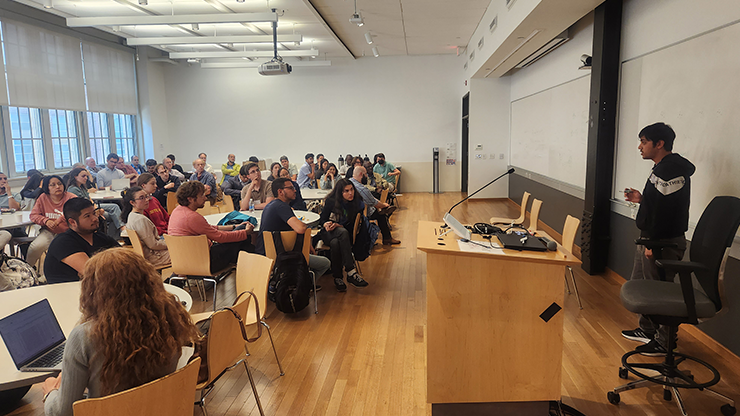
This past April, the Institute of Computational Mathematics and Scientific/Engineering Computing at the Chinese Academy of Sciences, Beijing (ICMSEC-CAS) and SIAM jointly hosted the “ICMSEC-CAS/SIAM Publishing Workshop for Early Career Researchers.” The workshop attracted over 85 registrants from more than 35 institutions in Beijing and across China and featured several sessions—delivered in Chinese—by SIAM journal editors and Fellows offering guidance on how to become a journal author, be an effective peer reviewer, and responsible use of artificial intelligence (AI) in the context of research integrity.
This workshop was initiated to reflect the increasing number of Chinese researchers as both authors and readers across scholarly publishing; in 2023, China became the leading country in terms of highly cited research, surpassing the U.S. This trend has only accelerated since, with the 2025 CWTS Leiden Ranking showing Chinese universities dominate not only in number of publications, but in the number of highly-cited publications. Submissions to SIAM Journals from China continue to increase, and SIAM Journals receive more article downloads in China than any other country. Of course, some of these indicators are a function of the population size, but they also reflect the sustained and increased funding for science, technology, engineering, and mathematics (STEM) over recent decades.
Chinese research output will likely sustain this growth in quality and quantity in the coming years. With this broader trend in mind, ICMSEC professor and SIAM Fellow, Tao Zhou, and I co-organized the ICMSEC-CAS/SIAM workshop to foster community amongst Chinese researchers and students, as well as provide useful advice for achieving global impact via SIAM publications.
The workshop opened with an author-focused session from ICMSEC-CAS professors Zhiming Chen and Aihui Zhou, respectively recent and current editors for the SIAM Journal on Numerical Analysis (SINUM). Chen and Zhou offered tips on how to become a journal author and shared what they look for when assessing new submissions to their respective journals.
Advice for new peer reviewers came from a session presented by Ya-xiang Yuan, ICMSEC-CAS professor and former editor of SIAM Review and SIAM Journal on Optimization, and Yongyong Cai, professor at Beijing Normal University and editor for SINUM. Their session discussed why reviewing matters, how to decide whether to accept an invitation to review, practical approaches to formulating a review, and professional best practices to follow.
A very lively session on AI and research integrity was then led by two editors of SIAM Journal on Imaging Sciences: Bin Dong, professor at Peking University who also serves as an editor for SIAM Journal on Scientific Computing, along with Chenglong Bao, professor at Tsinghua University. The pair discussed the SIAM Editorial Policy on Artificial Intelligence—which is in the process of being updated—and asked broad fundamental questions about what AI will mean for authorship and reviewing in the future if AI capabilities eventually match or surpass human capabilities in a reliable way. AI tools are clearly speeding up some tasks tremendously—albeit with persistent risks and “hallucinations” [1]—but as they continue to improve, questions will arise about how a “good scientist” will be evaluated in the future. Even with the AI revolution happening, the session emphasized to early-career researchers that they must continue to build their core skills and independent thinking rather than relying on AI shortcuts, highlighting that human researchers must be able to assess independently of AI whether a result is correct and good.
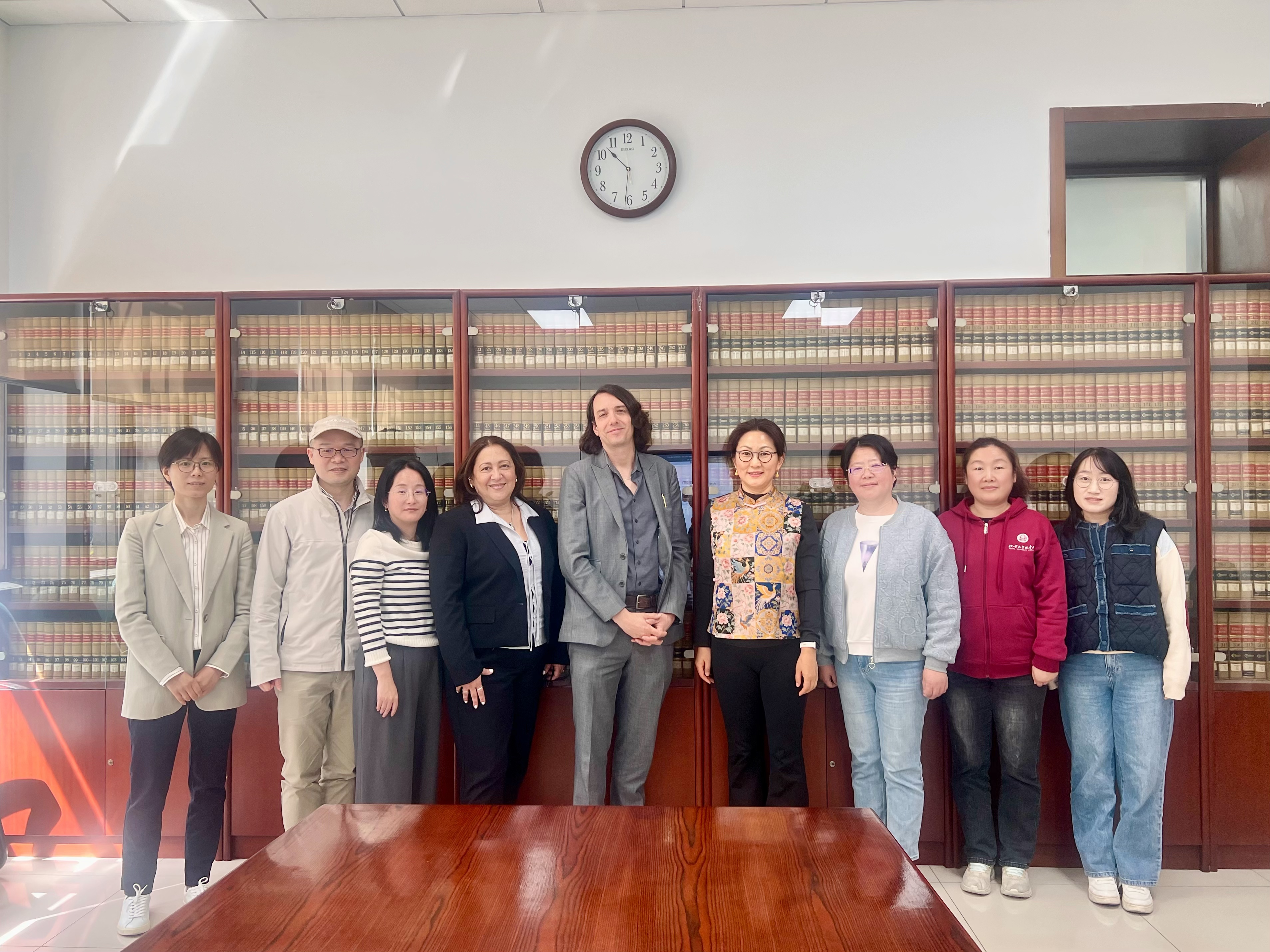
In addition, the workshop included detailed sessions with updates on the Peking University and CAS student chapters. Professor Jun Hu of Peking University and Xinpeng Li, president of the CAS student chapter, provided respective updates on the chapters’ annual meetings, which feature guest speakers, as well as career guidance events. Later, an update on the SIAM East Asia Section was presented by Tao Zhou, who serves as the section’s chair. These sessions exhibited the rich community building and activities that are engaging early career researchers both within and across institutions and the wider region. SIAM currently has four student chapters in China: Beijing Computational Science Research Center, CAS, Peking University, and Wuhan University. We encourage faculty and librarians at other institutions to apply to set up a SIAM student chapter at their university to cultivate community among students interested in applied mathematics and computational science.
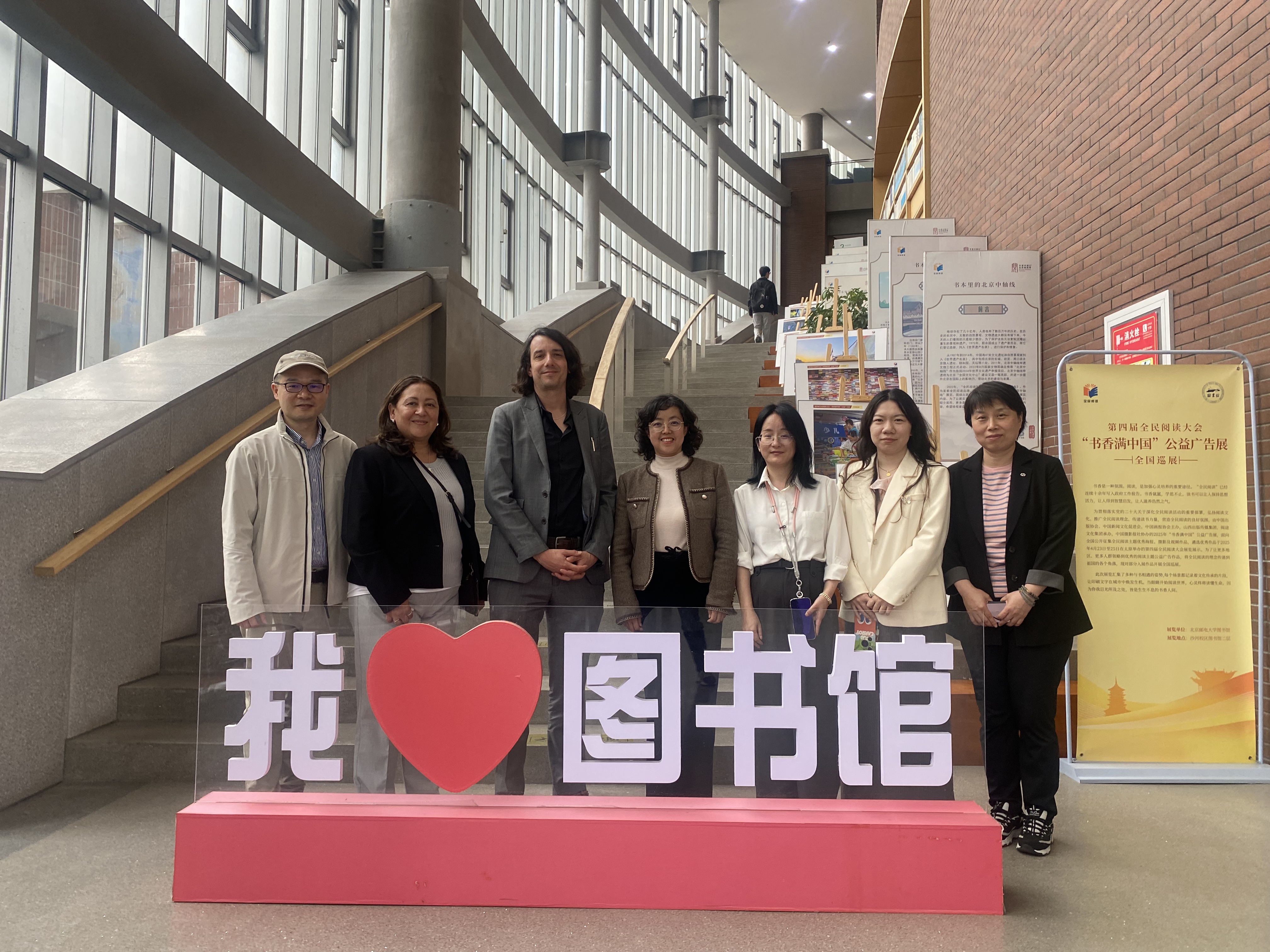
Following the workshop, Rosa Perez, the Institutional Sales and Licensing Manager for SIAM, and I were honored to spend several days visiting partner librarians at Tsinghua University, Peking University, Beijing Institute of Technology, Renmin University of China, and Beijing University of Posts and Telecommunications. These visits allowed us to share updates about SIAM Publications—including our new SIAM Journal on Life Sciences, SIAM e-books, and the SIAM Proceedings Collection—as well as further information about SIAM’s programs, travel grants, and student chapters, all topics that generated much interest. We also discussed the opportunities and challenges for librarians in China and made plans for further collaboration. Rosa and I are grateful to everyone for the warm welcome we received and the librarians’ willingness to take time to show us around their beautiful libraries.
For those interested in viewing slides from the workshop, the following presentations are available on the SIAM website as well as the event description and full agenda:
- “Becoming a Constructive, Efficient, and Reliable Reviewer” (English) by Ya-xiang Yuan of ICMSEC-CAS.
- “AI and Research Integrity” (slides in Chinese and notes in English) by Bin Dong of Peking University.
- “SIAM Student Chapter, Chinese Academy of Sciences - Update” (slides in Chinese and English) by Xinpeng Li of CAS.
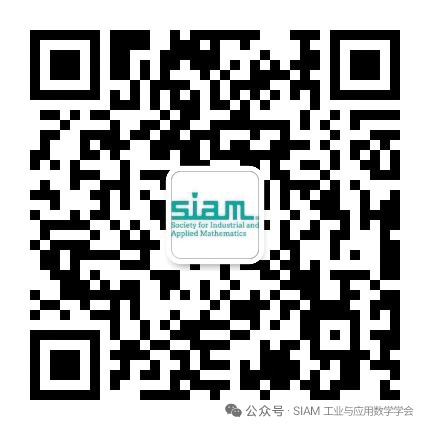
For further updates about SIAM activities in China, follow the official SIAM WeChat account using the QR code in Figure 1. To provide feedback or ideas about how SIAM could hold future workshops in China, feel free to reach out to me at [email protected].
References
[1] Kolda, T. (2026, May 1). A contract of trust: Artificial intelligence usage for SIAM journal submissions. SIAM News, 59(4), p. 10.
About the Author
Kivmars Bowling
Director of Publications, SIAM
Kivmars Bowling is the Director of Publications at SIAM.
Stay Up-to-Date with Email Alerts
Sign up for our monthly newsletter and emails about other topics of your choosing.