Research
Atmospheric Turbulence in a Jar
Matthew Francis details a recent study where researchers simulated atmospheric dynamics using a cylindrical tank.

Read the latest from

Cleve Barry Moler, a pioneer in applied mathematics and computational science, passed away in May 2026.
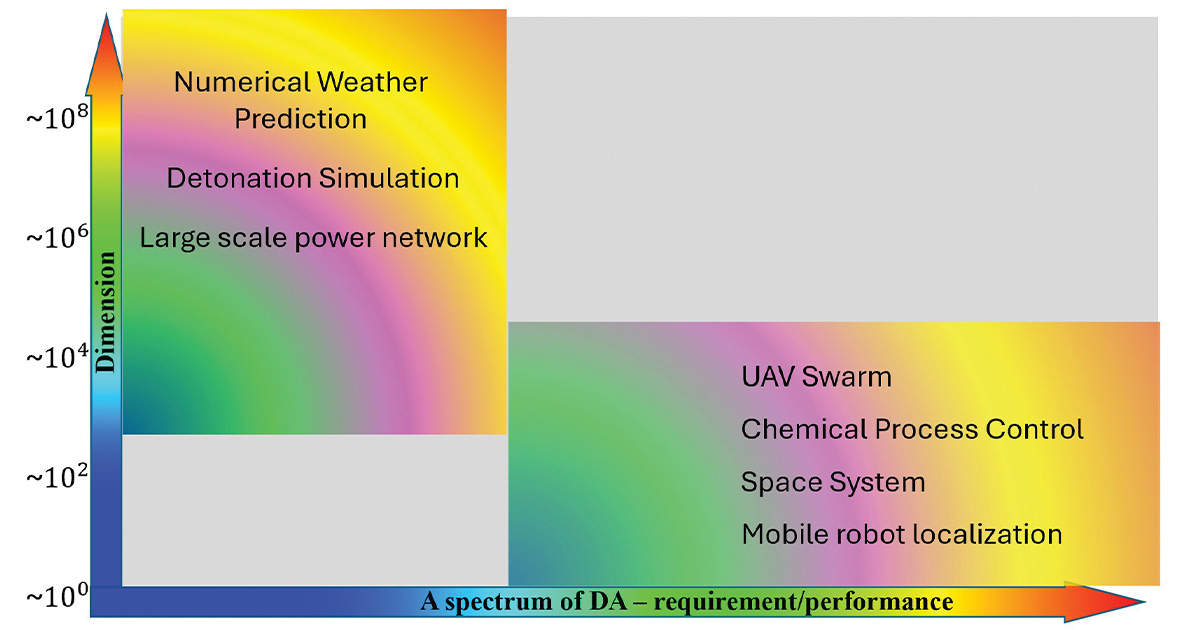
Research
Machine Learning for Dynamical Systems and Vice Versa: From Data Assimilation to Optimal Control
Wei Kang, Liang Xu, and Qi Gong discuss topics in data assimilation and optimal control as it relates to machine learning and dynamical systems.

Richard Tapia, a distinguished mathematician in the fields of optimization and iterative methods for nonlinear problems, passed away in May 2026.

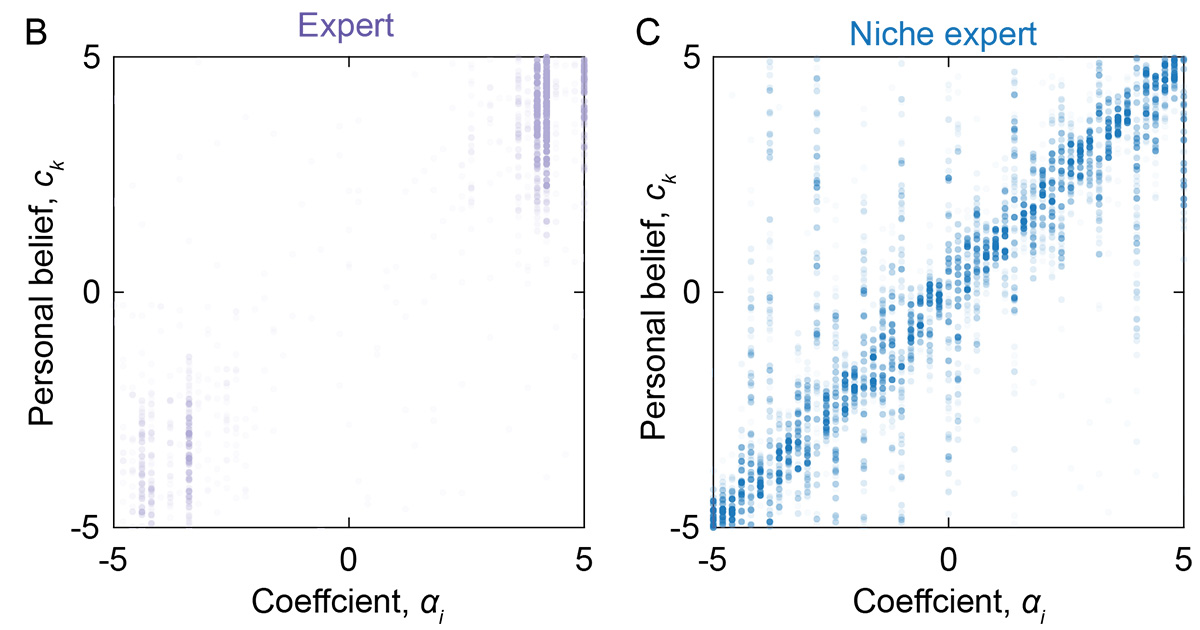
Lakshmi Chandrasekaran details a new paper that employs a game theoretic approach to explore the evolution of collective intelligence.
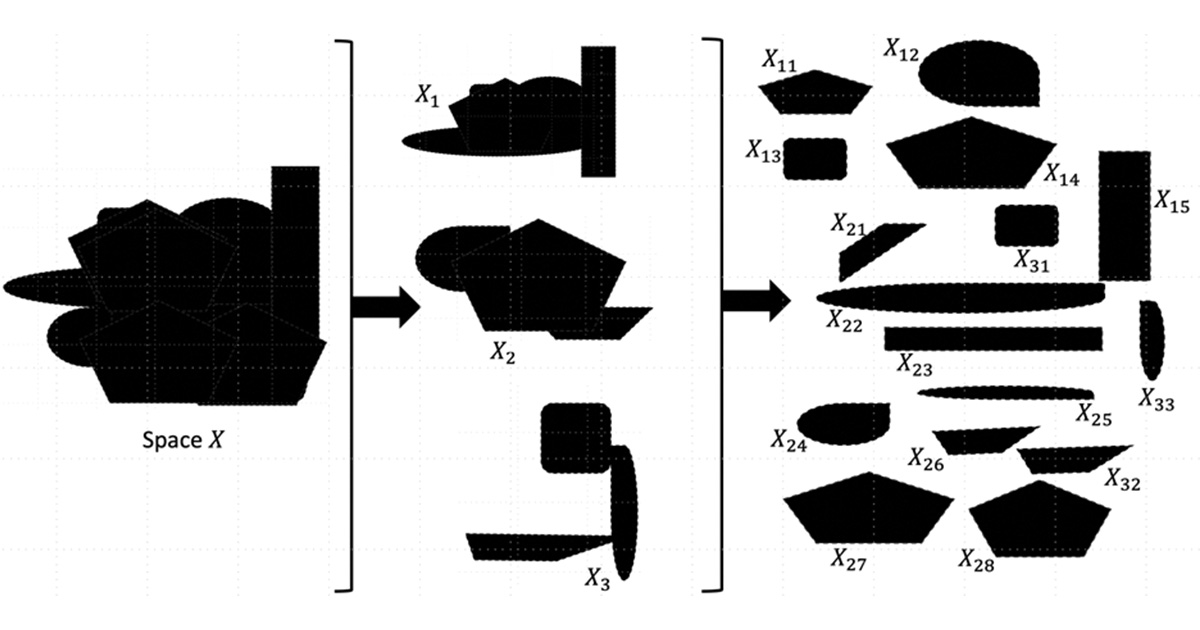
Arni S.R. Srinivasa Rao and Steven G. Krantz propose a quantization method that could aid in processing massive data sets at the atomic level.
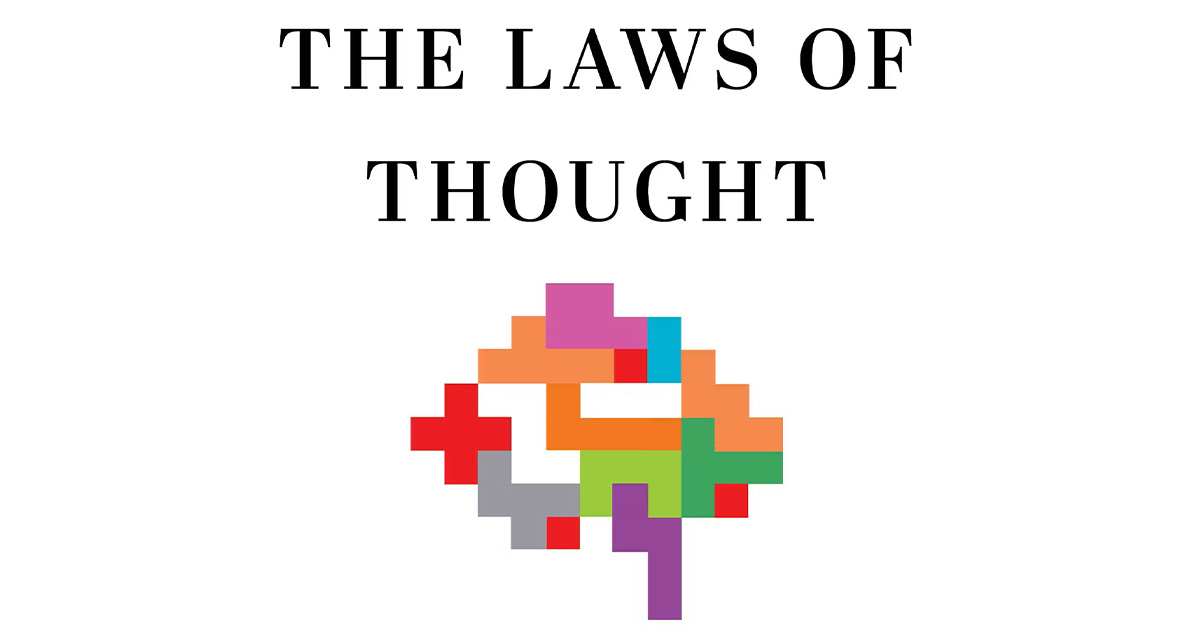
Devdatt Dubhashi reviews The Laws of Thought: The Quest for a Mathematical Theory of the Mind by Tom Griffiths.
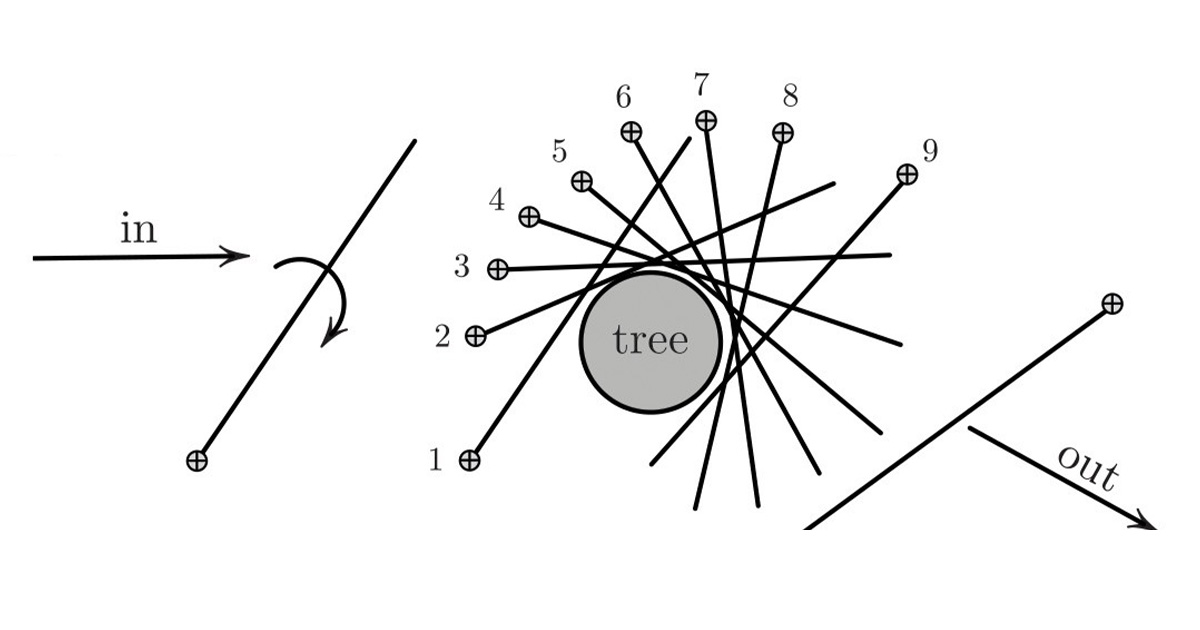
In his latest installment of "mathematical Curiosities," Mark Levi explores the topic of an envelope acting as a cycloid.
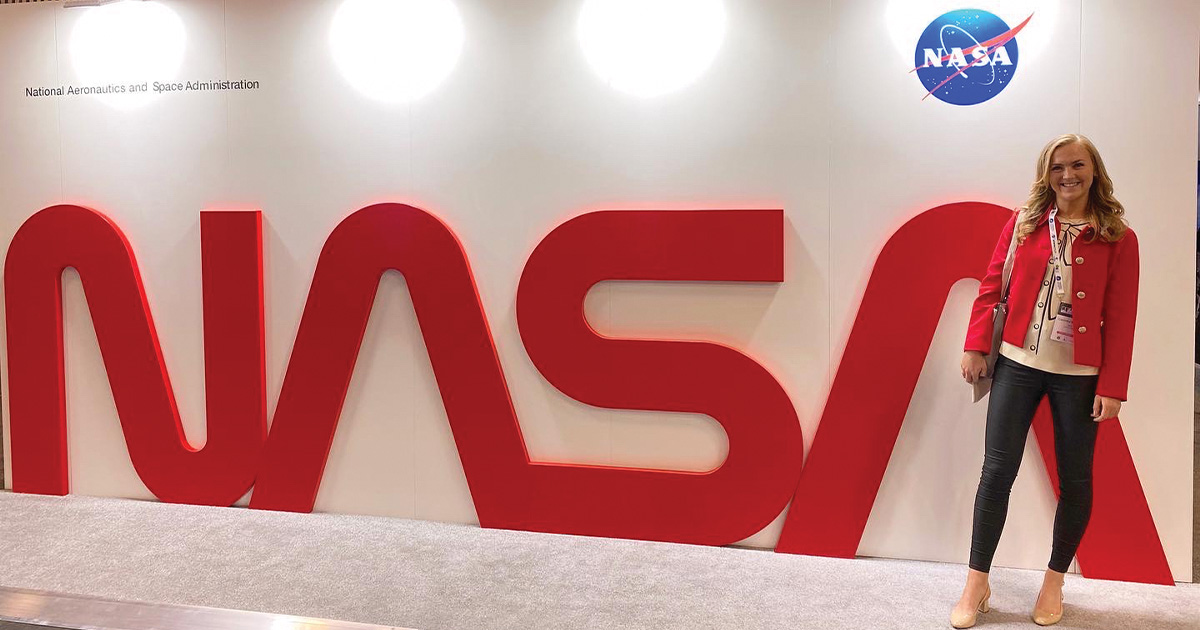
Caoimhe Rooney recounts her personal career journey, including her current position as a senior ground segment systems engineer at Astroscale.
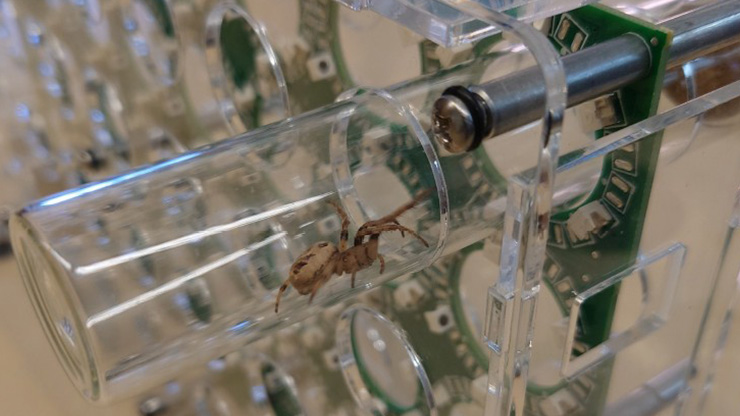
James Broda expands on the three-variable Goodwin model to investigate the role of light in the regulation of biological clocks in spiders.
Stay Up-to-Date with Email Alerts
Sign up for our monthly newsletter and emails about other topics of your choosing.